



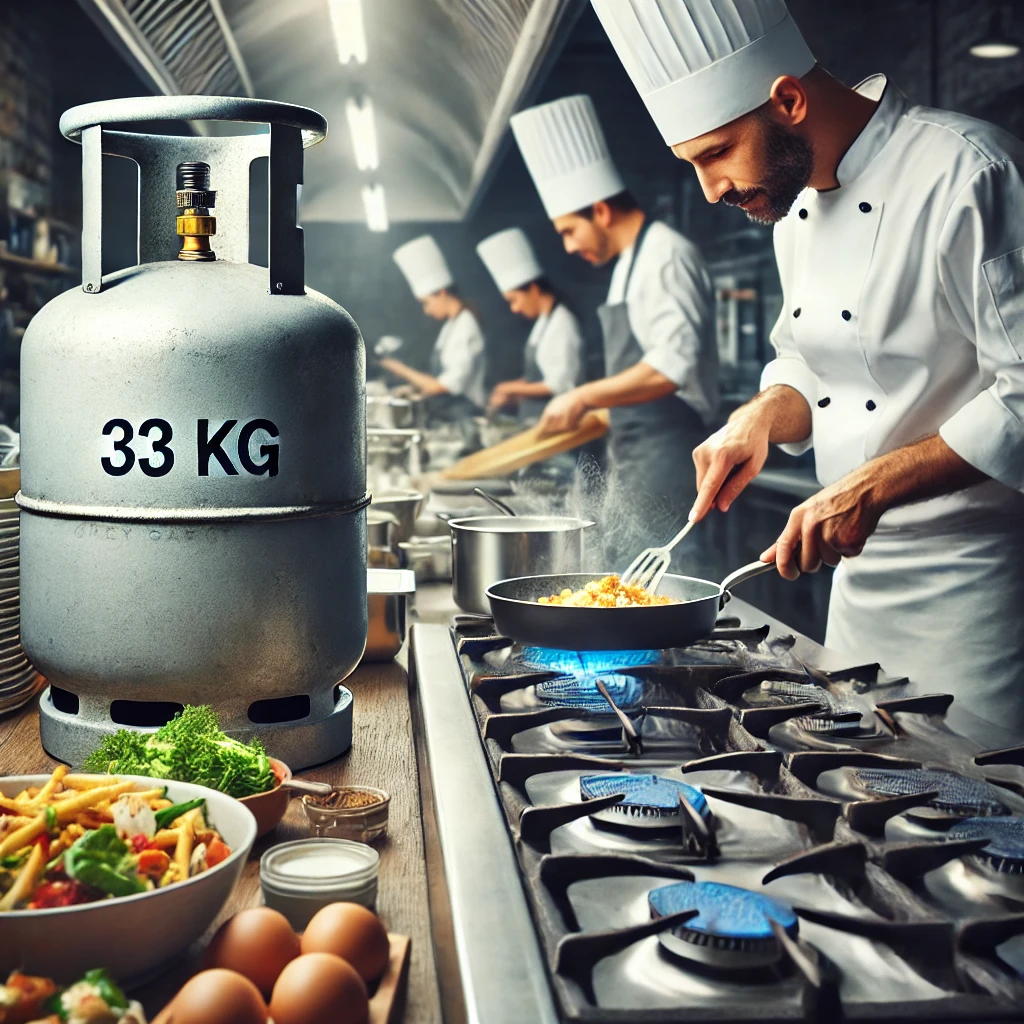
All-in-One: Buying and Refilling a 33 kg Propane Cylinder for Commercial Users
Introduction
For many businesses in hospitality, construction, manufacturing, and agriculture, propane is a cornerstone of daily operations. Among the different cylinder sizes available, the 33 kg propane cylinder offers a unique balance of capacity, versatility, and mobility. This article explores everything commercial users need to know about buying, refilling, and using a 33 kg cylinder safely and efficiently.
1. Why the 33 kg Cylinder?
The 33 kg propane cylinder is a popular choice for professional applications where smaller bottles would require frequent replacements and larger bulk tanks are impractical. Key advantages include:
Extended runtime – Reduces interruptions in high-consumption environments.
Portability – Large enough for professional use but still transportable.
Versatility – Works with heating, cooking, power generation, and industrial equipment.
Scalable solution – Businesses can use multiple cylinders with changeover systems to guarantee continuous supply.
2. Common Applications in Commercial Settings
A 33 kg propane cylinder is suitable across a wide range of industries:
Hospitality & Catering
Outdoor kitchens, BBQ restaurants, event catering, food trucks.
Construction & Industrial Use
Heating for worksites, roofing torches, metal cutting and welding equipment.
Agriculture
Greenhouse heating, grain drying, pest control.
Emergency & Backup Systems
Portable generators and temporary heating during power outages.
3. Buying Options for Businesses
When purchasing a 33 kg propane cylinder, businesses typically face two options:
Cylinder Purchase
You own the cylinder and only pay for refills.
Higher upfront investment but cost-effective long-term.
Cylinder Rental / Deposit System
Widely used in Germany and across Europe.
You pay a one-time deposit for the cylinder, which can be exchanged for a full one at authorized retailers.
4. Refilling and Exchange Process
The refill process depends on whether you own or rent your cylinder:
Refill at Authorized Stations – Cylinders are filled, weighed, and sealed according to European safety standards.
Cylinder Exchange – Empty cylinders are swapped for full ones, ensuring compliance and time efficiency.
Delivery Options – Many suppliers offer direct delivery and pickup services for commercial accounts.
5. Safety and Compliance Standards
Commercial users must strictly follow safety regulations:
Storage – Cylinders should be stored upright, in a ventilated outdoor area, and protected from direct sunlight or heat sources.
Transport – Securely fastened, with valve protection caps in place.
Usage – Always check for leaks with soapy water, never with open flames.
Regulatory Compliance – German TRF (Technische Regeln Flüssiggas) and European ADR guidelines set mandatory standards for transport and handling.
6. Cost Considerations
Cylinder Deposit or Purchase Price – Depending on the model and supplier.
Propane Price per kg – Varies seasonally and by supplier.
Delivery Charges – Optional, depending on contract.
Maintenance & Inspection – Cylinders undergo periodic safety inspections, usually included in exchange programs.
7. Choosing the Right Supplier
When selecting a propane supplier for your business, consider:
Network Coverage – Wide exchange points across the region.
Delivery Service – For businesses with high consumption.
Contract Options – Long-term agreements may reduce costs.
Emergency Support – 24/7 service for critical operations.
Conclusion
For commercial users, a 33 kg propane cylinder represents an all-in-one solution that balances fuel capacity, portability, and operational efficiency. By choosing the right purchase model, ensuring compliance with safety regulations, and working with a reliable supplier, businesses can secure a safe, cost-effective, and uninterrupted propane supply.
👉 Would you like me to also prepare SEO metadata (title, description, keywords) for this article so it’s optimized for your blog right away?
No comment